

Should You Really Replace Your Old Windows?
We hear it constantly. Your old windows are drafty and worn out, so replace them with new ones and save on your energy bills. It is an easy story to sell, and homeowners hear it from every direction. For most old houses, it is also the wrong answer.
The decision deserves more than the sales pitch gives it, because the parts the pitch leaves out are usually the parts that matter most.
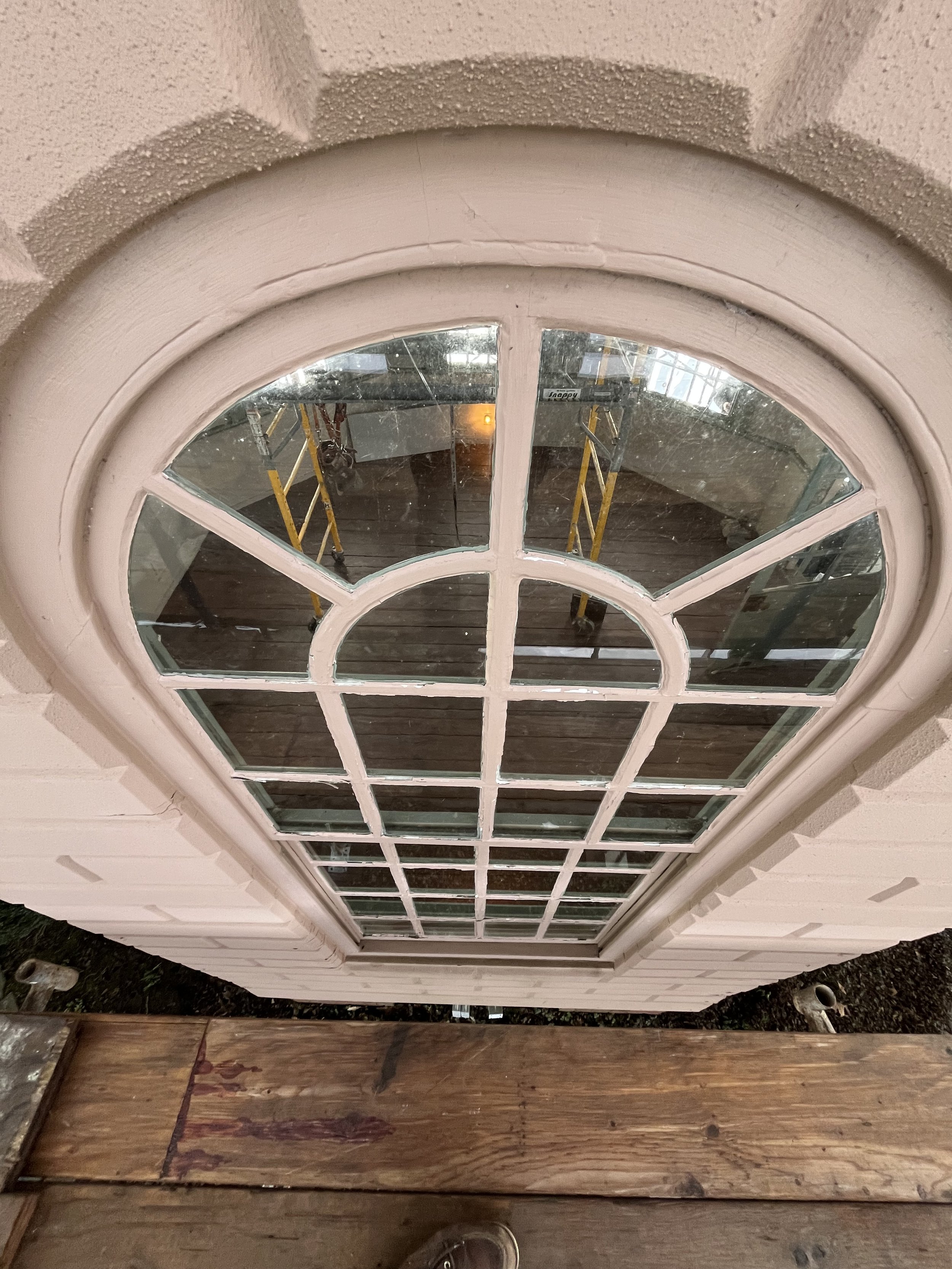
Start With What You Already Have
The window in your old house was made from old-growth wood, cut from slow-grown trees with dense, tight grain. That wood is more stable and more resistant to rot than almost anything milled today, and it cannot be bought new at any price. The window was also built to come apart. Every piece, the sash, the muntins, the sill, the glass, the cords, was made to be repaired or replaced on its own.
That is the difference that changes everything. A historic window is a repairable thing. A modern replacement window is a sealed unit. When one part of it fails, and something always fails, there is usually nothing to fix. The whole thing comes out and goes in a dumpster.
The Lifespan Nobody Mentions
Here is where the pitch quietly falls apart.
A well-built wood window has already proven it can last a hundred years or more, because the one in your house has done exactly that. Restored and maintained, it will do it again. A replacement window does not play in the same league. Most modern units are expected to last somewhere between fifteen and thirty years before they need replacing again, and the common failure is the sealed glass itself. Once the seal goes, the window fogs permanently, and it cannot be repaired. The only fix is another replacement.
So the real comparison is simple. You restore the window once, or you replace it again every couple of decades for as long as you own the house.
What the Pitch Leaves Out
Cost and energy get all the attention. The things that get left out are the ones worth slowing down for.
There is the waste, for one. Most replacement windows are vinyl, and vinyl is difficult to recycle in any real way, so the old units almost always end up in a landfill. Every replacement cycle sends another set into the ground. There is also the simple fact that keeping what you already have is the least wasteful thing you can do. Nothing new has to be manufactured, and nothing gets thrown away.
And there is the part that never shows up on an estimate because it cannot be priced. When the original windows come out of an old house, the house loses a piece of itself. The wavy glass that only old glass has. The proportions the builder chose. The craftsmanship in a sash that was made by hand. A vinyl unit carries none of that, and once the originals are gone, they are gone for good.
But What About Drafts and Energy?
This is the strongest part of the pitch, so it deserves a straight answer.
An old single-pane window on its own is not as efficient as a modern insulated one. That much is true. But that is not the real choice, because a bare old window is not your only option. A restored wood window paired with a good storm window performs in the same range as a replacement, at a fraction of the cost, and the research from the National Park Service, the National Trust, and national laboratories backs that up. On top of that, windows are only a small share of a home’s heat loss to begin with. Sealing up the attic and basement almost always saves more energy, for less money, than new windows ever will. We go deeper into that on our storm windows and energy efficiency pages.
When Replacement Is the Right Call
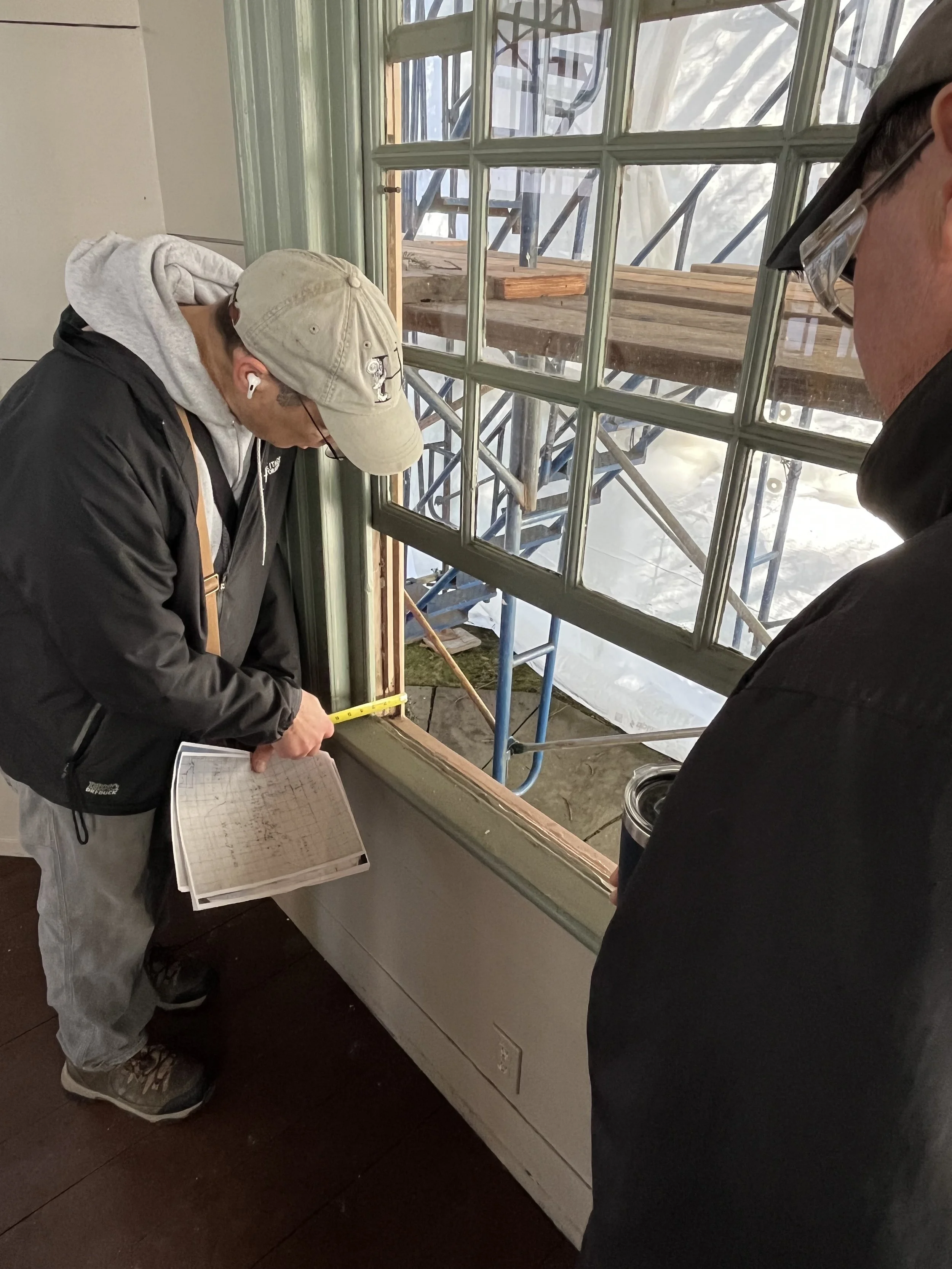
None of this means every window can be saved. Some are genuinely too far gone, rotted beyond repair or damaged past the point where restoration makes sense, and when that is the case, we will tell you so plainly. Replacement has its place. It is just a last resort, not the default it gets sold as.
Far more often, the window someone was told to tear out is the one worth keeping.
If you are weighing this on your own house and want a straight answer about what your windows actually need, we are glad to take a look and tell you honestly what we see.
