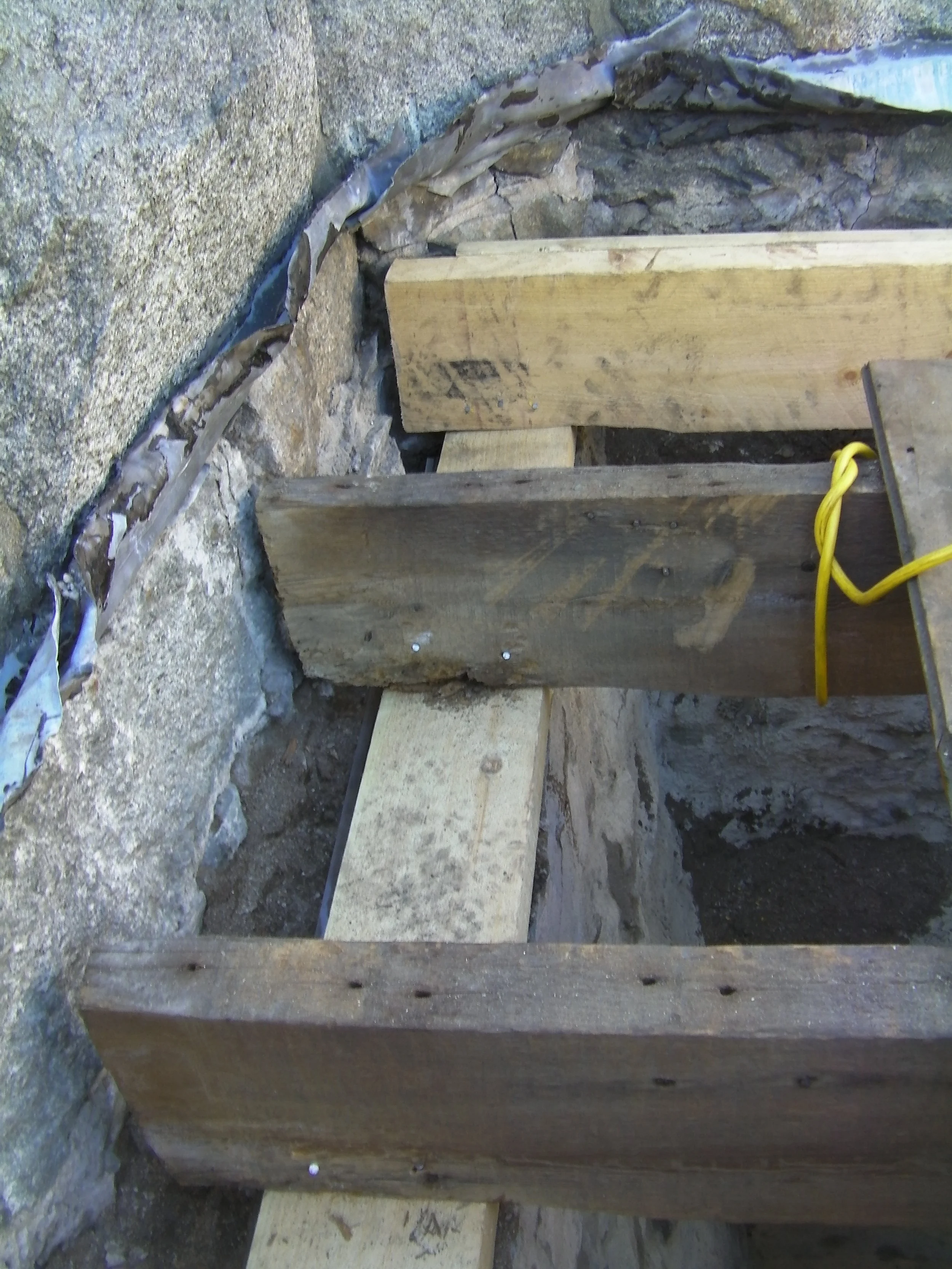

Historic Framing Repair
The frame is the backbone of a building. It carries every other element and everyone who lives inside, and when something goes wrong with it, the problems show up everywhere else first. Doors that stick, floors that slope, cracks that keep coming back. By the time most people notice, the frame has usually been trying to tell them something for a while.
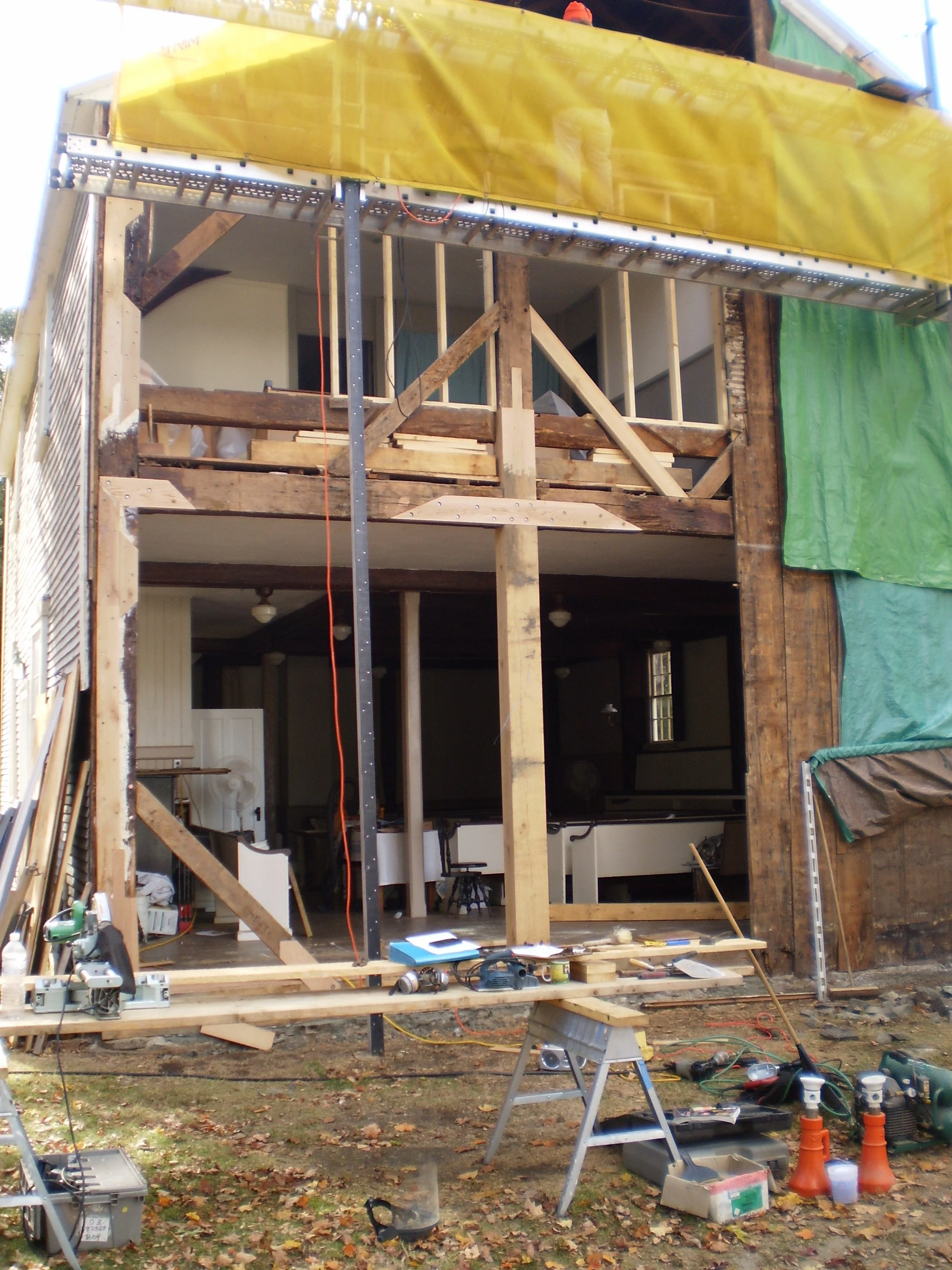
Heritage Restoration repairs historic framing the way it was originally built, with an understanding of how these structures were assembled and how they respond to time, moisture, movement, and the alterations of previous owners. The goal is always to stabilize the building while keeping as much of the original material and character as possible.
The Frames Old Buildings Were Built With
New England homes were framed in a few different traditions, and each one behaves differently and fails differently.
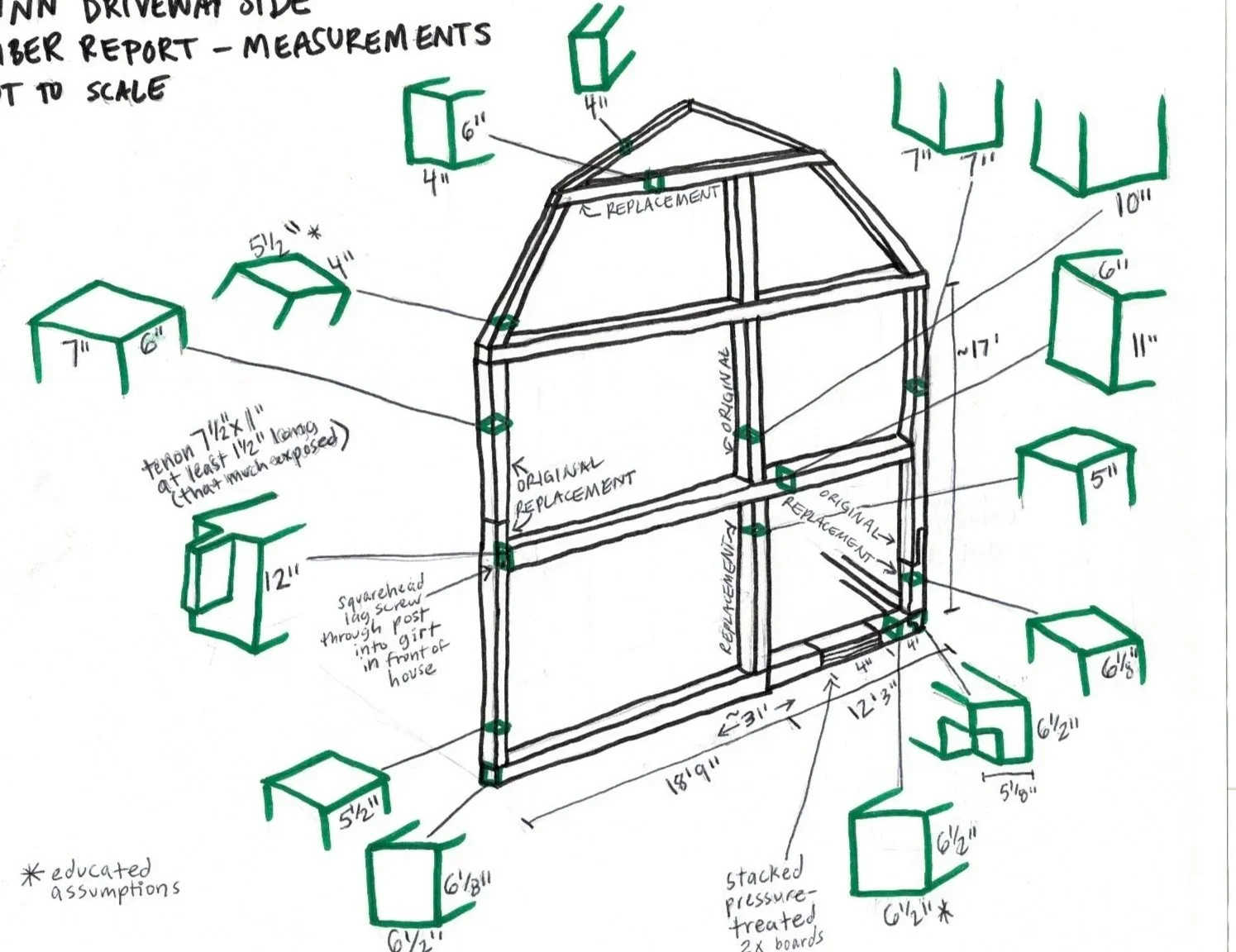
Timber frame is the oldest, used from the colonial era into the early 1800s. Large hand-hewn posts and beams are joined with mortise-and-tenon connections locked by wooden pegs, and the whole thing sits on a heavy sill that spreads the load across the foundation. Balloon framing came next, roughly the 1830s through the 1940s, using lighter continuous studs that run from the sill all the way up to the roof. Platform framing, the system still used today, builds each floor as its own separate platform.
These older frames do not behave like modern construction. They carry loads differently, they move with the seasons, and they handle moisture in ways a contractor trained only on new building often does not understand. Repairs have to be compatible with how the frame actually works, not just modern lumber nailed in where old timber used to be.
What We Do
Our framing work covers assessment and repair across all of these systems:
Sill and beam replacement or reinforcement
Joist repair and sistering
Correcting settlement, bowing, racking, and sagging
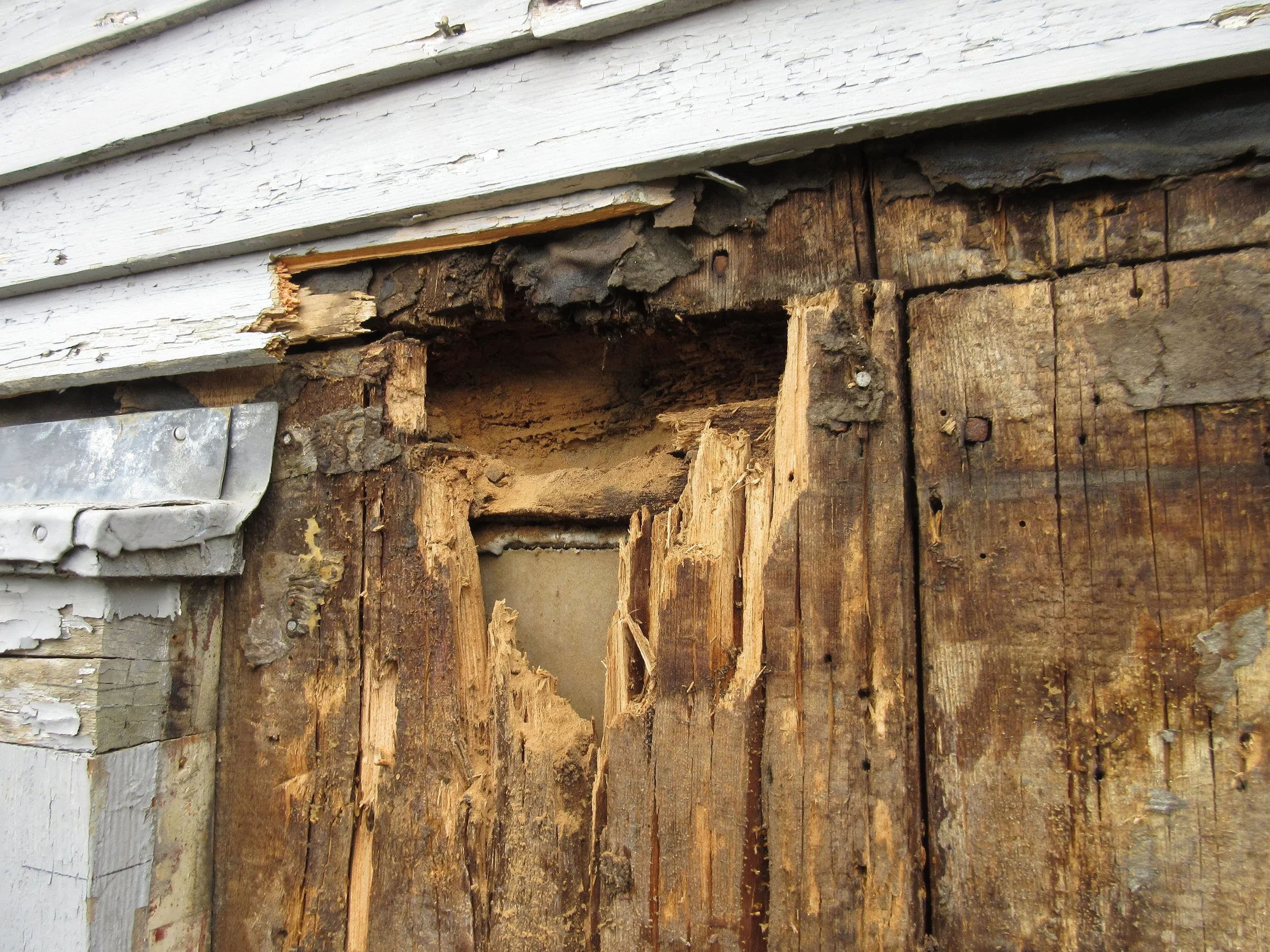
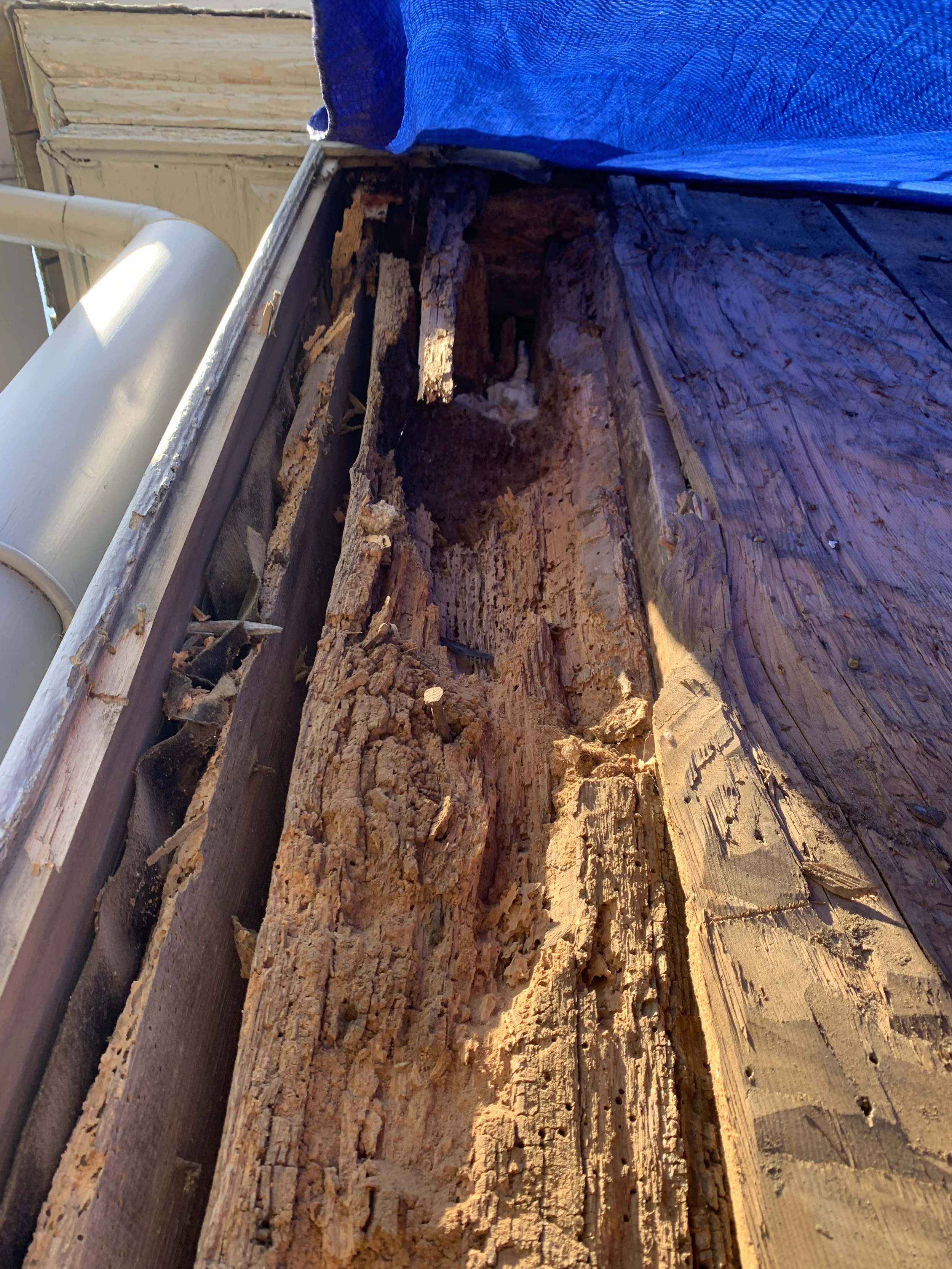
Repairing rot, insect damage, and moisture deterioration
Rebuilding and reinforcing load paths
Repairing the door and window framing thrown off by structural movement
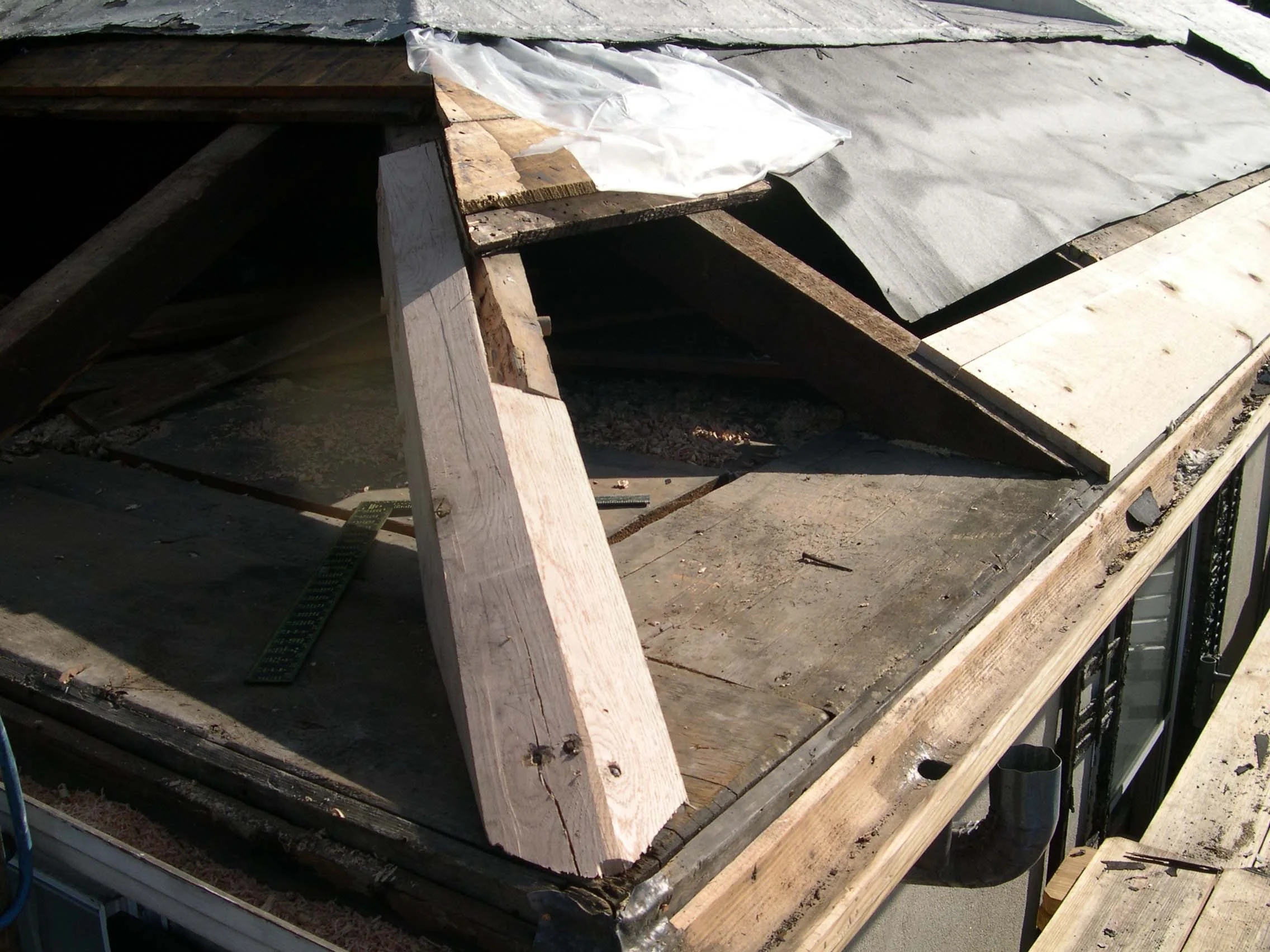
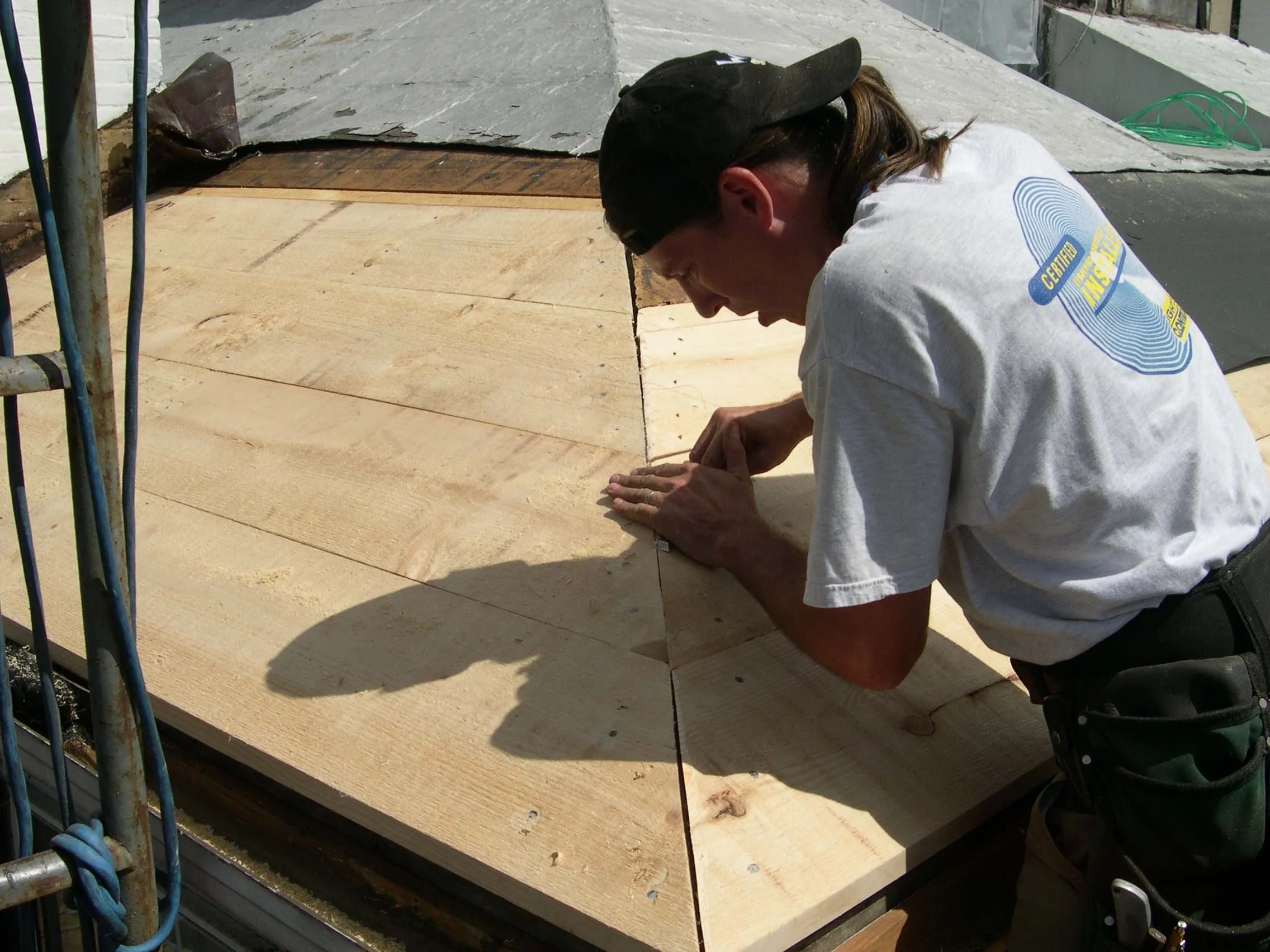
Stabilizing compromised walls and roof structures
When a project calls for it, we coordinate with structural engineers so that repairs meet modern safety standards while still respecting the historic fabric.
Finding the Real Problem
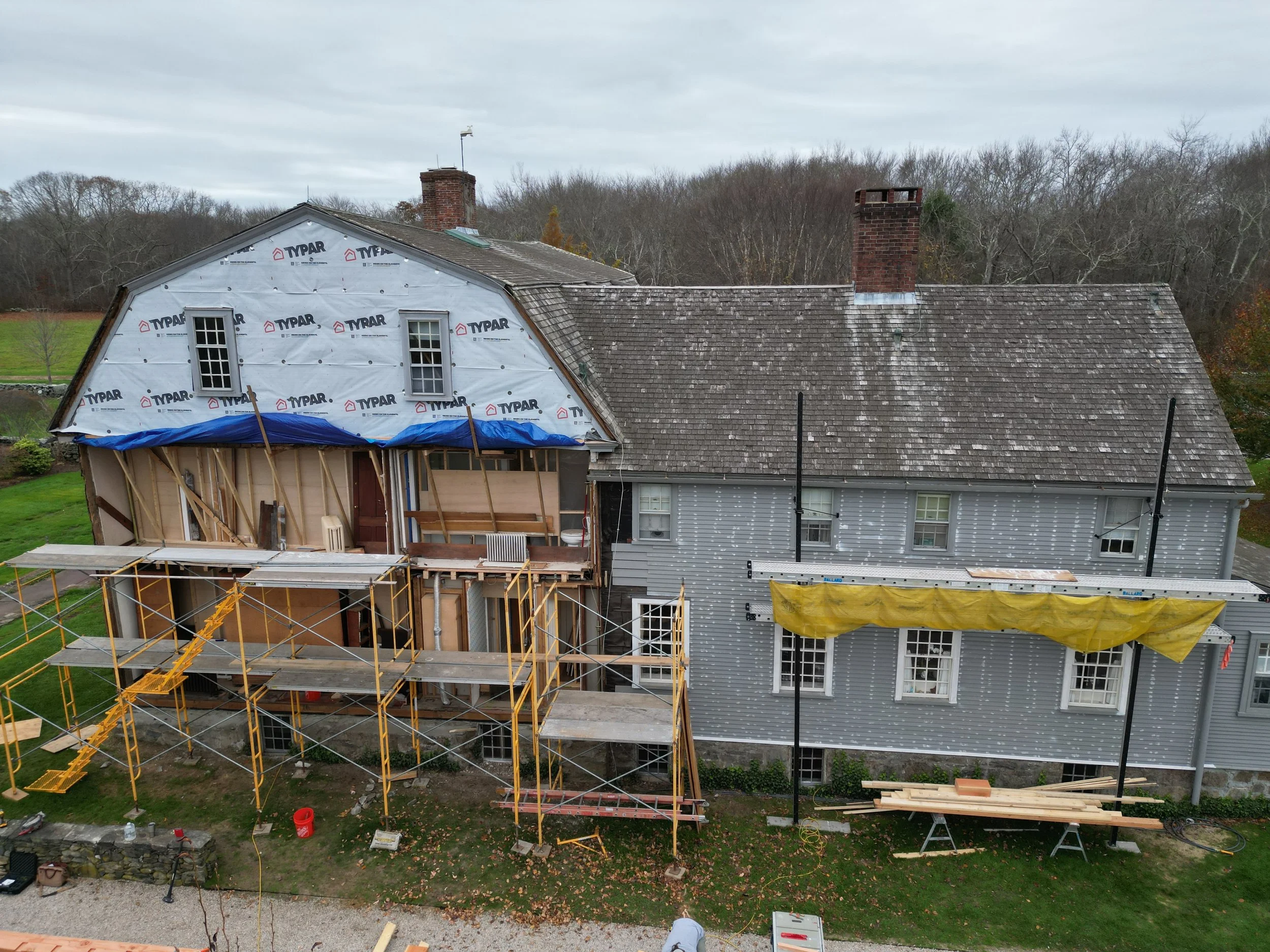
Framing trouble usually hides behind finishes. You see the symptom, a sloping floor or a cracked plaster wall, but not the cause. To understand what is actually happening inside the structure, we use selective deconstructive analysis, carefully removing and then reinstating siding, plaster, trim, or flooring to expose the frame.
That approach lets us see the real conditions instead of guessing at them, and it means the repair plan is built on what is genuinely there rather than on assumptions. It also keeps the disruption to a minimum, since we open up only what we need to.
Traditional Joinery, Modern Building Science
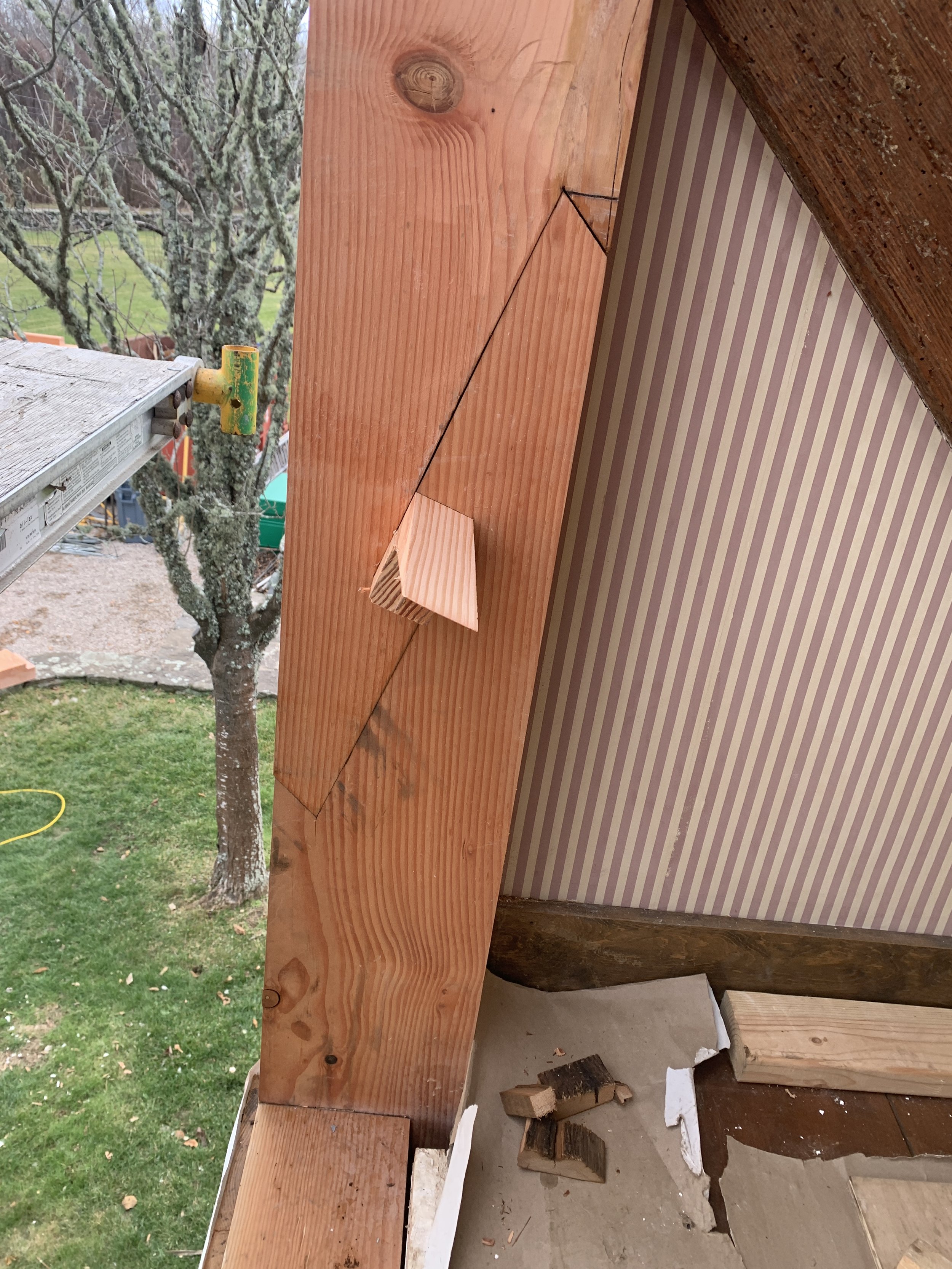
Most framing repair does not require replacing whole timbers. A rotted section can often be spliced out with a scarf joint and a new piece of matching wood let into the sound original. A localized area of loss can be patched with a dutchman. Less severe decay can sometimes be stabilized in place with epoxy consolidation, so the original timber stays where it is. Where the engineering calls for more strength than joinery alone can provide, steel can be added discreetly to carry the load.
The point of all of it is the same. Keep the original material wherever it can be kept, match what has to be replaced, and fix the moisture problem that caused the damage so the repair actually lasts. A frame repaired this way is not just patched. It is set up to stand for another century.
Common Questions
About Historic Framing
Why are the floors in my old house sloping or bouncy, and is it dangerous?
Some unevenness is normal in a house that has stood for a century or two. Wood shrinks, soil settles, and old frames move a little with the seasons. What is not normal is a floor that is actively getting worse, bouncing noticeably, or has soft spots. That usually points to a rotted joist or beam, a failing sill, or framing that was undersized to begin with. A quick test is to set a marble on the floor and see if it rolls, or stretch a string along the bottom of a joist to see how far it dips. Outright collapse is rare, but the cause, which is almost always moisture, keeps working until it is addressed, so a slope that is changing is worth looking into sooner rather than later.
What causes a sill beam to rot, and can it be repaired, or does it need replacing?
The sill is the big timber that sits on top of the foundation and carries the bottom of the whole frame. Because it sits low and close to the ground, it is the first thing to rot, usually from moisture wicking up out of the foundation, bad grading, leaking gutters, or insects. The tricky part is that a sill often rots from the outside in, so it can look fine from inside the basement while it is failing on the exposed edge where most of the weight actually bears. Whether it can be repaired or needs replacing depends on how far the rot has gone. A bad section can often be spliced out and a new piece of timber joined to the sound original. When the rot runs through most of the beam, it needs full replacement, which means jacking the building up slightly to take the load off while the new sill goes in. Either way, it should be done with real timber and proper joinery, not dimensional lumber nailed together, which will not carry a post-and-beam load over time.
What is sistering a floor joist, and when is it the right fix?
Sistering means fastening a new piece of lumber alongside a weak, cracked, or partially rotted joist so the two work together as one stronger member. It is a good fix when a joist is damaged but not destroyed. The new piece should match the depth of the original, run the full span to the same bearing points, and be bonded with adhesive and a staggered pattern of structural fasteners. One important detail is that the joist should be jacked back toward level slowly before the sister goes on, a little at a time, or you just lock the sag in place permanently. If more than about a third of the joist is gone, replacement is usually the better answer than sistering. And as with everything in an old house, the moisture or insect problem that caused the damage has to be fixed first, or the repair will not hold.
What is timber frame repair, and how do you fix rotted beams and joints?
Timber frame, or post-and-beam, is the heavy, hand-hewn framing in the oldest houses, joined with mortise-and-tenon connections pegged together with wood. Those joints are tremendously strong in compression, which is how they carry the building, but the weak points tend to be the beam ends and post bottoms where they meet damp masonry, and rot sets in. We repair them with traditional joinery wherever we can. A scarf joint splices a new length of timber onto the sound original, a dutchman patches a localized area of loss, and epoxy consolidation can save a timber that is only moderately decayed by stabilizing it in place. Where the loads require it, we add steel to reinforce the joint without replacing the timber. The priority is always to keep the original wood and match the species and joinery of anything new.
What is balloon framing, and is it really a fire risk?
Balloon framing was common from roughly the 1830s into the 1940s, and it uses long studs that run continuously from the sill all the way up to the roofline. The fire concern is real and worth understanding. Because the wall cavities run uninterrupted from the basement to the attic, they act like chimneys, and a fire that starts low in the house can travel straight up inside the walls very quickly. The fix is straightforward, though. When walls are already open for other work, we add horizontal fire blocking between the studs at each floor level, which breaks up those open cavities. If you have a balloon-framed house, working smoke detectors on every level matter even more than usual.