
Historic Wood Finishes
The finish on a piece of wood is not just how it looks. It is how the wood is protected, how it ages, and whether it can be cared for down the road or has to be torn off and started over. On an old building, that difference matters more than most people realize.
There are really two kinds of wood finishes, and understanding the difference explains almost everything else. A film finish, like polyurethane or varnish, builds a hard layer on top of the wood. A penetrating finish, like tung oil, soaks into the wood and becomes part of it. Both protect the wood, but they fail in completely different ways, and that is what makes one of them the right choice for a building you intend to keep.
Why Penetrating Finishes Belong on Old Buildings
When a film finish fails, and eventually it does, it cracks, peels, and yellows. Once that happens, the only real fix is to strip the whole surface down to bare wood and start again. A single deep scratch can break the entire film. Sunlight makes it worse by breaking down the wood underneath until the finish lets go in sheets.
A penetrating oil finish does not have a surface layer to crack or peel, because the protection is inside the wood rather than on top of it. When it eventually wears, you clean the worn area and wipe on a fresh coat. No stripping, no sanding to bare wood, no starting over. For woodwork, floors, doors, and windows that you want to keep for another century, repairability is the whole game.
Polymerized Tung Oil
The finish we trust most for historic work is polymerized tung oil. Tung oil comes from the seed of the tung tree and has been used to protect wood for centuries. Raw tung oil cures very slowly, so the oil is heated in an oxygen-free environment until it begins to gel, then cooled. That process, called polymerizing, makes it cure faster and harder while keeping everything that makes it good for old wood.
It penetrates and protects from within. It does not yellow the way linseed oil does, and it does not crack or peel the way polyurethane does. It resists water, mold, and mildew, and it is easily repaired. It also brings out the depth and grain of the wood in a way a plastic-looking surface coat never will.
This is also work we know from the inside out. Our sister company, Sutherland Welles, has been making polymerized tung oil finishes since 1965 and now manufactures them here in Providence. That means the finishes we put on your woodwork come with a real understanding of how they are made, how they behave, and how they hold up over time.
Custom Color and Matching
Finishing historic wood is not only about protection. Color matters too, especially when new work has to sit next to original material. We use custom dyes and stains, chosen and mixed to match what is already there, so a repaired section or a reproduced piece does not stand out. The goal is always that the finished wood reads as one continuous surface, old and new together.
Interior and Exterior
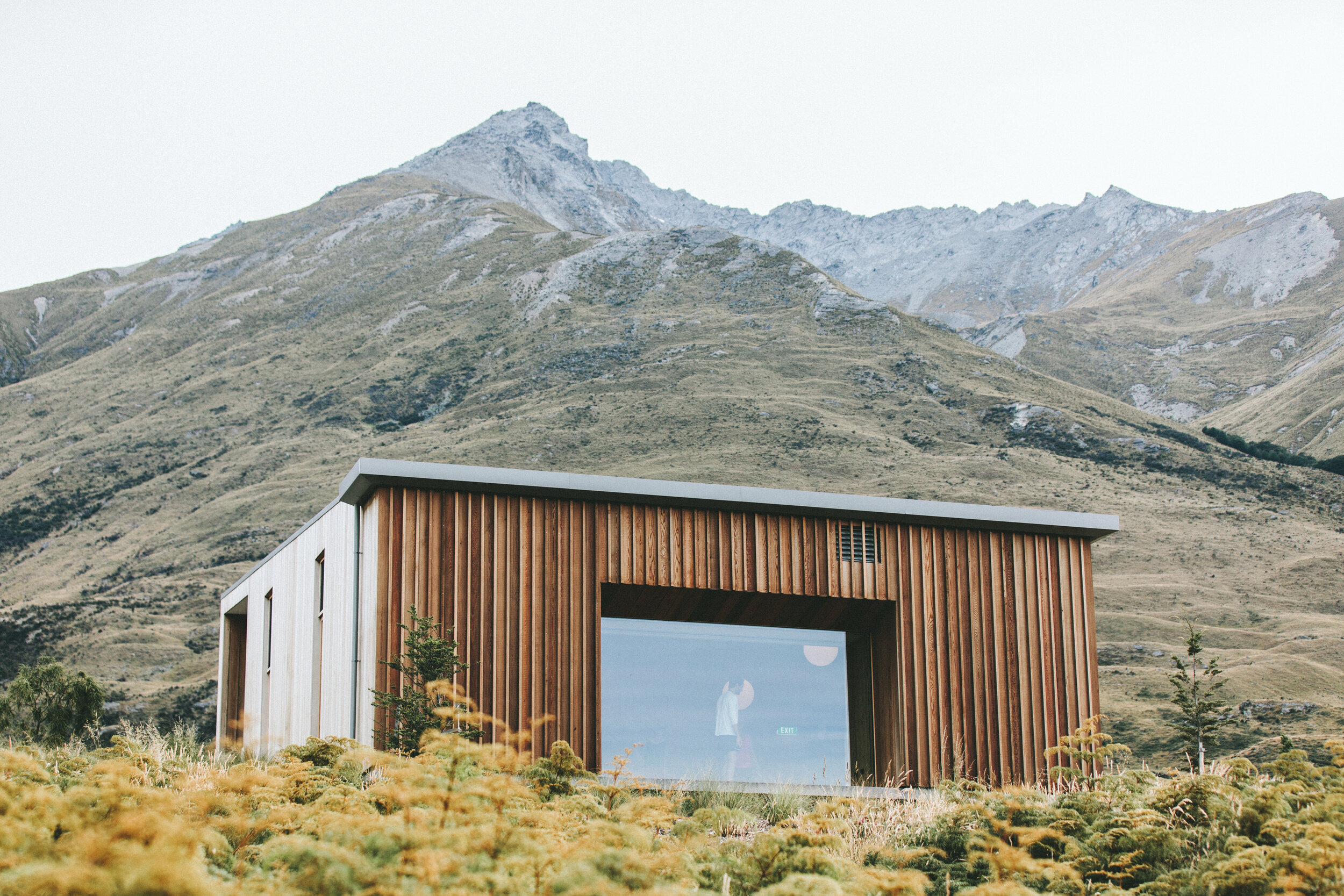
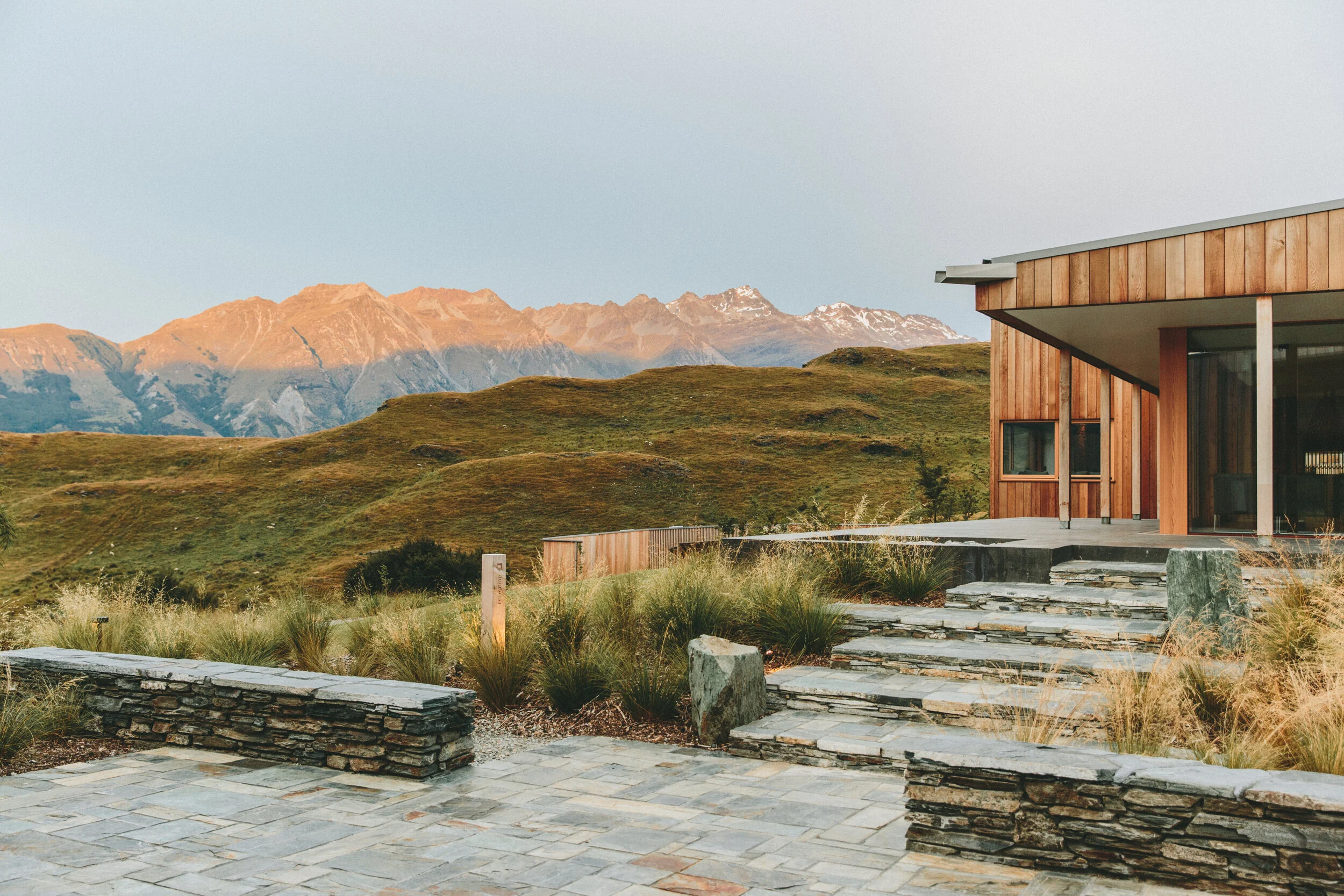
Indoors, the right finish protects floors, trim, paneling, mantles, doors, and millwork while letting the wood look like wood. Outdoors, the challenge is tougher. New England weather is hard on exterior wood, and the biggest enemy is not rain; it is ultraviolet light, which breaks down both the finish and the wood beneath it. A penetrating exterior oil formulated with UV protection and a fungicide holds up because there is no film to peel, and when it needs attention, you recoat it rather than strip it. No exterior finish is maintenance-free, but the right one makes that maintenance simple instead of a major project.
Common Questions About Wood Finishes
Is tung oil or polyurethane better for historic wood?
For most historic work, a penetrating oil like tung oil is the better choice, and the reason comes down to how each one fails. Polyurethane builds a hard film on the surface. It holds up to abrasion, but when it wears or gets scratched, it cracks, peels, and yellows, and the only fix is to strip the whole surface and refinish. Tung oil soaks into the wood instead of sitting on top, so there is no film to crack or peel. When it wears, you clean the spot and re-oil it, no stripping required. Polyurethane has its place in some heavy commercial settings, but for woodwork you want to maintain and live with for generations, an oil finish is almost always the smarter long-term decision.
Should I strip the old finish off my historic woodwork?
Usually not. Most tired old finishes can be revived without stripping. A lot of original interior woodwork was finished in shellac, which can be cleaned and brought back to life with denatured alcohol rather than removed entirely. Stripping should be a last resort, because it destroys the patina that gives old wood its character and, on exterior wood, harsh stripping can permanently damage the surface. We strip only when a finish has truly failed or been painted over. One important note for any home built before 1978, the old finish and paint likely contain lead, so any stripping needs to be done with proper lead-safe practices.
How long does tung oil last, and how often do you have to reapply it?
Tung oil cures into a flexible, water-resistant finish that will not crack, peel, or grow mildew. How often it needs attention depends entirely on use. A hardworking floor or a high-traffic surface might want a fresh maintenance coat every year or two. Lightly used or decorative woodwork can go many years before it needs anything. The maintenance itself is simple, you clean the surface and wipe on a thinned coat of oil, and each coat builds on the last rather than fighting it. There is no sanding and no stripping involved, which is exactly why it works so well on wood you plan to keep.
What is the best finish for exterior wood in New England?
The hardest thing on exterior wood here is not moisture, it is sunlight. Ultraviolet light breaks down finishes and the wood underneath them, which is why film finishes like spar varnish eventually crack and flake outdoors. A penetrating exterior oil with built-in UV protection and a fungicide holds up better because there is no surface film to fail, and when it needs refreshing, you simply recoat it. Pigment also helps, which is why tinted finishes tend to outlast clear ones outside. No exterior finish lasts forever, but the right one turns maintenance into an easy recoat instead of a full strip and refinish.